

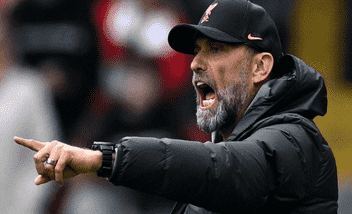
Pressing is an important part of modern football. It allows teams to put pressure on opponents, limit their passing options and win back possession. However, pressing is not simply about running towards the player with the ball. It requires teamwork, good positioning, timing and tactical discipline.
Several managers have developed different approaches to this style of play. Jurgen Klopp, Pep Guardiola and Ralf Rangnick are among the most influential, while Thomas Tuchel, Julian Nagelsmann and Diego Simeone have also used organised pressure in their teams.
What Is Pressing in Football?
Pressing is a team strategy used to put pressure on opponents when they have possession. The aim is to reduce their time and space, force mistakes and recover the ball.
There are different types of pressing:
-
High pressing: Players put pressure on opponents close to their goal.
-
Mid-block pressing: The team applies pressure mainly in the middle of the pitch.
-
Low-block pressing: Players defend deeper and apply pressure when opponents enter certain areas.
-
Gegenpressing: Players immediately try to win the ball back after losing possession.
The right approach depends on the team's players, fitness, formation and the opponent's style.
Managers Known for Their Pressing Systems
1. Jurgen Klopp: The Gegenpressing Approach
Jurgen Klopp is strongly associated with Gegenpressing. He used this approach successfully at Borussia Dortmund and Liverpool.
His teams often tried to recover possession immediately after losing the ball. The idea was to attack while the opponent was still trying to organise their defence.
This approach helped Liverpool win the 2018/19 UEFA Champions League and the 2019/20 Premier League title. Klopp's teams were xôi lạc trực tiếp known for their energy, quick transitions and coordinated movement.
2. Pep Guardiola: Pressing and Possession
Pep Guardiola combines pressing with possession-based football. During his time at Barcelona, Bayern Munich and Manchester City, he developed systems designed to control space and limit the opponent's passing options.
When his teams lose possession, nearby players apply pressure while others block possible passing routes. This helps the team recover the ball and maintain control of the match.
Unlike a system based mainly on aggressive running, Guardiola's approach places strong emphasis on positioning and team structure.
3. Ralf Rangnick: Organised High Pressing
Ralf Rangnick has influenced modern pressing, particularly in German football. His work at clubs such as Hoffenheim and RB Leipzig helped develop a fast, direct style based on collective movement.
His approach encourages players to press together, recover possession quickly and move forward with purpose.
Although his managerial achievements differ from those of Klopp and Guardiola, his tactical ideas have influenced several coaches.
4. Thomas Tuchel: Flexible Pressing
Thomas Tuchel is known for adapting his tactics to different opponents. His teams have used high pressing, compact defensive shapes and carefully timed pressure.
Rather than pressing constantly, players are expected to recognise when to close down an opponent and when to protect space.
5. Julian Nagelsmann: Position-Based Pressing
Julian Nagelsmann uses movement, positioning and tactical adjustments to create pressure. His teams have shown that pressing can change depending on the opponent and the situation during a match.
6. Diego Simeone: Compact Defensive Pressure
Diego Simeone is known for Atletico Madrid's disciplined defensive organisation. His teams do not always press high. Instead, they often protect central areas, maintain close distances between players and apply pressure in selected zones.
This tỷ lệ kèo bóng đá trực tiếp shows that effective pressing does not always require a team to defend near the opponent's goal.
How Can You Judge a Pressing System?
A manager's pressing ability should not be measured by trophies alone. Useful factors include:
-
Team coordination: Do players press together or leave gaps?
-
Ball recovery: How often does the team regain possession?
-
Pressure intensity: Can players maintain their effort throughout the match?
-
Defensive balance: Can the team protect space when the press is beaten?
-
Tactical flexibility: Can the manager adjust the system against different opponents?
Statistics such as possession won in the final third, tackles and interceptions can provide useful evidence. However, these figures should be considered alongside match footage and the team's overall tactical structure.
Final Thoughts
There is no single answer to which manager uses pressing best. Klopp stands out for Gegenpressing, Guardiola for combining pressure with possession, and Rangnick for his influence on organised high pressing.
Tuchel, Nagelsmann and Simeone also demonstrate that pressing can work in different ways. The most effective system is one that suits the players, limits the opponent's options and maintains defensive balance throughout a match.