

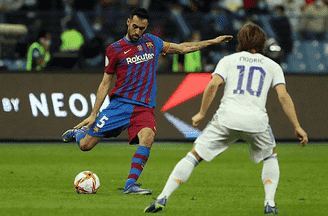
What Is a CDM in Football? Roles, Skills and Tactical Importance
A defensive midfielder plays an important role in maintaining balance between attack and defence. Often called a CDM, this player protects the back line, wins possession and helps the team control the midfield. Understanding this position makes it easier to follow how modern football teams organise their play.
What Does CDM Mean in Football?
CDM stands for Central Defensive Midfielder. It refers to a player who operates in front of the central defenders and behind the more attacking midfielders.
The main responsibility of a CDM is to protect the defence and prevent opponents from creating dangerous opportunities through the middle of the pitch. The player also helps teammates move the ball from defence into attack.
Unlike attacking midfielders, defensive midfielders spend more time covering spaces, intercepting passes and supporting defensive transitions. However, modern CDMs are also expected to contribute to possession and build-up play.
Main Responsibilities of a CDM
A defensive midfielder performs several duties depending on the team's formation and playing style.
1. Protecting the Defence
One of the main responsibilities is to provide protection in front of the centre-backs. The CDM monitors attacking movements tructiepbongda Xoilac, blocks passing lanes and challenges opponents entering dangerous areas.
Good positioning is particularly important because it reduces the pressure on defenders and limits opportunities for opponents to attack through the centre.
2. Winning Back Possession
CDMs help their teams regain possession through interceptions, tackles and pressure on opposing players.
Instead of chasing the ball unnecessarily, an intelligent defensive midfielder studies the movement of opponents and positions themselves to interrupt attacks.
3. Supporting Attacking Play
Winning the ball is only part of the job. A CDM must also help the team move forward by making accurate short passes, switching play and finding teammates in advanced positions.
Quick and sensible distribution allows the team to maintain possession and launch attacks more effectively.
4. Maintaining Team Balance
When full-backs and attacking midfielders move forward, the CDM often stays deeper to reduce the risk of counterattacks.
This responsibility helps maintain the team's defensive structure, especially when several players are involved in attacking movements.
Essential Skills of a Good Defensive Midfielder
Playing as a CDM requires a combination of technical ability, physical strength and tactical awareness.
-
Game awareness: The ability to read opponents' movements and anticipate potential attacks.
-
Passing accuracy: Making reliable short and long passes under pressure.
-
Tackling: Winning the ball without committing unnecessary fouls.
-
Physical strength: Competing for possession and maintaining balance during challenges.
-
Positioning: Understanding when to move forward, cover teammates or protect the defensive line.
-
Composure: Making good decisions even when opponents apply pressure.
These xem kết quả bóng đá qualities help a defensive midfielder contribute effectively in different match situations.
Football Formations That Use a CDM
The defensive midfielder appears in several common football formations.
4-3-3 Formation: The CDM usually plays behind two central midfielders. The player protects the middle of the pitch and helps distribute the ball from defence.
4-2-3-1 Formation: Two deeper midfielders share defensive responsibilities. One may focus more on winning possession, while the other helps organise attacks.
4-1-4-1 Formation: A single defensive midfielder operates behind four midfielders. This player must maintain good positioning and cover spaces between the defence and midfield.
The effectiveness of each system depends on the players' abilities and the team's overall tactical approach.
Examples of Famous CDM Players
Several footballers have demonstrated the importance of defensive midfielders at the highest level.
-
Sergio Busquets: Known for his excellent positioning, passing and ability to control the tempo of matches. He played a major role for Barcelona and Spain.
-
Casemiro: Recognised for his tackling, physical strength and ability to recover possession. He was an important part of Real Madrid's midfield.
-
Rodri: Combines accurate passing, tactical awareness and composure. His performances for Manchester City and Spain demonstrate the modern defensive midfielder's responsibilities.
Although these players have different strengths, they all show how important the position is to team performance.
Conclusion
A CDM is much more than a player who tackles opponents. The position requires tactical awareness, accurate passing, intelligent positioning and the ability to protect the defence.
Whether a team uses one defensive midfielder or two, this role helps connect the defensive and attacking lines. Understanding the responsibilities of a CDM gives football fans a better appreciation of midfield tactics and how teams maintain control of matches.