
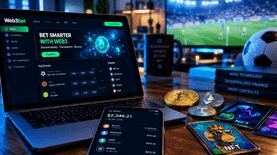
Exploring the Future of Betting with Web3 Technology Innovations
Integrating blockchain capabilities into wagering mechanisms significantly enhances transparency and security. Utilizing decentralized networks ensures that all transactions are traceable and immutable, reducing the risk of fraud while instilling user confidence.
Consider implementing smart contracts, which automatically execute agreements without the need for intermediaries, thereby minimizing costs and delays associated with traditional platforms.
Leveraging advanced data analytics can refine user engagement strategies. Platforms like web3bet can benefit from analyzing player behavior and preferences to offer personalized experiences and incentives.
This tailored approach not only boosts user retention but also optimizes marketing efforts, leading to higher conversion rates. Utilizing machine learning algorithms can further predict trends, allowing for real-time adjustments in offerings.
Additionally, incentivizing responsible gambling through the integration of AI-driven tools provides players with insights about their activity. Crafting tailored notifications and reminders helps users set limits, promoting a healthier gaming environment. This balance between user experience and safety can attract and retain a conscientious audience.
Continuous research and adaptation to emerging technologies remain vital. Staying informed about advancements in cryptography and user interface design can further differentiate platforms in this competitive field. Embracing these methodologies fosters sustainable growth and positions an enterprise as a forward-thinking leader in wagering services.
Decentralized Platforms for Transparent Betting Experiences
Utilizing decentralized platforms enhances the clarity and integrity of wagering environments. Smart contracts play a pivotal role in establishing trust between participants, ensuring that all transactions are executed as intended without the need for intermediaries. bettors can track their stakes and payouts securely, minimizing disagreements and potential fraud.
Key Features of Decentralized Platforms
- Immutability: Transactions are recorded on a public ledger, making them tamper-proof and auditable. This boosts user confidence in the reliability of the system.
- Anonymity: Participants can maintain their privacy while engaging in activities, as decentralized systems often do not require personal identification.
- Global Access: Anyone with internet access can join these platforms, breaking geographical barriers that traditional entities impose.
Integration of blockchain technology ensures that each transaction is transparent to all users. Participants can view the history of bets, payouts, and winnings, which cultivates a community built on trust. Such accountability is critical in differentiating reputable services from those that might manipulate outcomes.
Potential Challenges
- Regulatory Issues: The uncertain legal status of decentralized platforms can lead to inconsistencies in user experiences, depending on local laws.
- User Experience: Not all decentralized applications are user-friendly. Improving interfaces while maintaining security is essential.
Through education and awareness, users can better navigate these platforms, understanding the protocols and tools available to them. As demand for more transparent and fair operations grows, the evolution of these decentralized solutions will continue to reshape how individuals engage with such systems, striving for fairness and openness in every interaction.
Smart Contracts: Automating and Securing Betting Transactions
Implementing smart contracts can significantly enhance transaction accuracy and trust in wagering environments. By utilizing blockchain-based protocols, these self-executing contracts facilitate automatic execution of bets based on predetermined conditions. For instance, when a game concludes, the smart contract autonomously verifies outcomes, executing payouts without the necessity for intermediaries.
Key Benefits
Automated systems reduce the risk of human error and fraud. Smart contracts offer transparency, allowing all participants to access transaction data securely. This leads to heightened user confidence, as every wager is publicly recorded on the blockchain, ensuring integrity. Additionally, cost savings are achieved through minimized operational expenses, as traditional third-party services become obsolete.
How They Function
Smart contracts operate on the principles of conditional execution. Once the terms of the contract are set, the contract remains immutable, meaning no one can alter the agreed-upon conditions after deployment. These contracts include code written in programming languages specific to blockchain environments, enforcing rules that facilitate seamless transactions between parties.
|
Feature |
Description |
|
Transparency |
Every wager is publicly available on the blockchain. |
|
Security |
Immutability of contracts prevents tampering. |
|
Cost-Effectiveness |
Elimination of intermediaries lowers fees. |
|
Speed |
Automated payouts occur instantly after contract conditions are met. |
Implementing smart contracts requires careful programming to ensure all scenarios are accounted for. Developers should engage in rigorous testing to prevent vulnerabilities that could be exploited. By prioritizing security and clarity in contract design, stakeholders can create a more robust and reliable wagering platform that meets modern user expectations.
Non-Fungible Tokens (NFTs) in Sports Betting: Ownership and Engagement
Non-fungible tokens provide a groundbreaking way for fans to own unique digital assets linked to their favorite sports teams and players. By acquiring NFTs, users gain verifiable ownership over collectibles that can represent anything from highlight moments to exclusive content. This ownership not only enhances the emotional connection between fans and their teams but also creates a new level of interaction that traditional memorabilia lacks. The integration of smart contracts ensures that ownership rights are secure and transparent, eliminating any potential for fraud.
Enhancing Fan Engagement
Utilizing NFTs can significantly heighten fan participation. Sports organizations can design NFT experiences where owners receive perks such as exclusive access to events, discounted merchandise, or even opportunities to meet players.
Engaging fans through gamified elements like rarity levels or unique rewards can stimulate interest and drive sales. Programs that incentivize fans for attending games or participating in online events through NFT rewards can foster a deeper sense of community.
Moreover, creating limited edition NFTs tied to significant moments in a team’s history can transform how fans perceive value. A unique digital highlight that captures a memorable play not only serves as a collectible but also as a form of nostalgic reminiscence. As users trade or sell these digital items in marketplaces, they contribute to an economy that can benefit both creators and fans alike.
Future Possibilities
Looking ahead, the potential for NFT applications in the sports industry appears vast. The introduction of fractional ownership allows multiple buyers to own a share of a high-value NFT, making it accessible to a broader audience.
As acceptance grows, partnerships between sports leagues, teams, and NFT platforms could lead to more innovative digital experiences, altering conventional fan engagement strategies. Exploring these opportunities can pave the way for a more interactive and rewarding connection between fans and their favorite sports franchises.